Applied Kinesiology in West Lake Hills, Austin
Your body relies on a complex relationship between muscles, joints, and the nervous system to maintain balance, posture, and efficient movement. When everything is working together the way it should, muscles coordinate smoothly, joints move freely, and everyday activities feel natural and supported.
However, physical stress, emotional stress, or past injuries can disrupt this coordination. When your nervous system perceives stress, it may shift into a protective or ‘fight or flight’ state. This can subtly alter your posture, muscle tone, and movement patterns throughout the body. Some muscles may become overactive and tight, while others may not engage as effectively, creating patterns of imbalance that persist over time.
Understanding Neurological Muscle Imbalance
A common assumption is that weak muscles simply need to be strengthened through exercise and tight muscles need stretching or massage. While this is sometimes helpful, it doesn’t always address neurological muscle inhibition. This is a situation where a muscle is capable of working but is not being fully activated by the nervous system.
When neurological stress patterns persist, they can affect how your muscles respond during movement and load. Over time, this can contribute to inefficient movement patterns, increased strain on joints, and recurring discomfort that can be puzzling and frustrating.
Our Approach to Applied Kinesiology
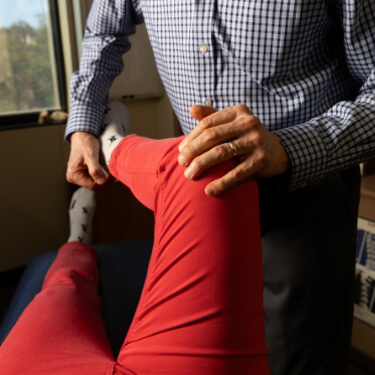
Applied Kinesiology is a gentle assessment approach that helps evaluate how your muscles are functioning in relation to the nervous system. Often referred to as muscle testing, this method involves observing how specific muscles respond to light, controlled resistance.
This noninvasive assessment can provide insight into areas of imbalance and help guide care decisions. Rather than diagnosing disease, Applied Kinesiology is used as a functional tool to better understand how different systems in your body are working together at a given moment.
As part of our chiropractic evaluation, we assess overall muscle function and balance, particularly around areas of concern. When neurologically inhibited muscles are identified, specific chiropractic techniques and supportive procedures may be used to help restore more balanced neuromuscular communication.
Supporting Balance and Movement
By addressing neuromuscular imbalance at the nervous system level, Applied Kinesiology can complement chiropractic care by helping your body respond more effectively to adjustments. The goal isn’t to force change, but to support your body’s own ability to organize movement and function more efficiently.
This balanced neuromuscular response plays an important role in how your body adapts to daily activities, physical demands, and long-term spinal health.

Experience the Benefits of Applied Kinesiology
We believe health challenges provide an opportunity to learn more about your body and discover where you may have gone off track. When approached in this way, you have the chance to be healthier as a result of what appears to be a health challenge.
If you’re experiencing recurring discomfort, movement limitations, or simply want to optimize how your body functions, we’d love to help you explore whether Applied Kinesiology might be a good fit for your health goals.
Contact Family Chiropractic Center today to schedule a complimentary consultation!
